
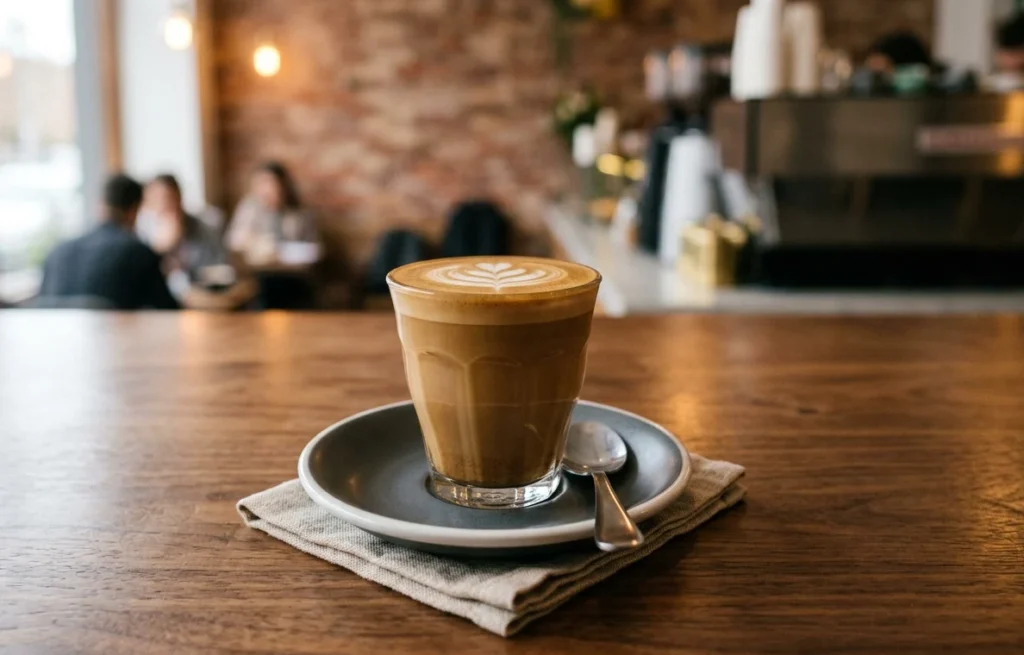
Looking for a coffee that’s stronger than a latte but smoother than an espresso? A Piccolo Latte might be exactly what you need. It is made with a ristretto shot and silky steamed milk; the piccolo latte offers the perfect balance of strength, sweetness, and creaminess.
If you love lattes but always want to avoid getting a large cup of latte, this piccolo latte is a great alternative to a regular latte with a small size but a similar taste. Piccolo latte has the same ingredients we usually use for lattes.
Do you know you can add milk powdered to your favorite coffee?
In This article, I will describe everything about piccolo coffee and how can you make it.
What is a Piccolo latte?
A Piccolo Latte is a small milk-based coffee drink made with one ristretto shot and steamed milk, typically served in a 90–120ml glass.
The word piccolo means “small” in Italian, which perfectly describes this drink. Think of it as a miniature latte with a stronger coffee flavor and less milk.
It is a more potent drink for latte enthusiasts, as it has less milk than a regular latte. You can prepare a smaller cup of latte.
So, a regular latte with more steamed milk is less intense than a piccolo latte.
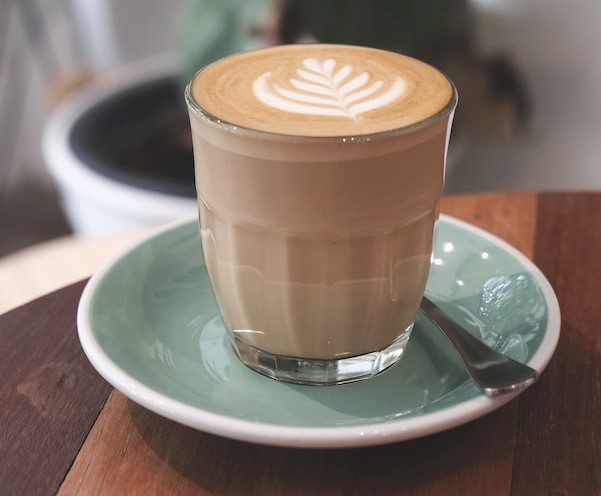
What is a Piccolo Coffee? How is it Different from a Piccolo Latte?
Piccolo latte is another name for piccolo coffee. There is no difference between these two drinks. Around the world, people call it either a Piccolo latte or coffee.
If you are new to somewhere, make sure to name it latte or coffee to get the right drink. Piccolo is an Italian word that means small Latte.
Thus, you call it Piccolo latte or Piccolo coffee; you will get the same coffee every time.
Magic Coffee: How To Make? A Melbourne Taste
How to make Piccolo latte at home?
If you want to make a perfect cup of piccolo latte, I will give you simple steps to make an ideal one. It would help if you had these things for the piccolo latte.
Ingredients
- 15–18 grams freshly ground coffee1
- ristretto shot (20–30ml)
- 60–90ml steamed milk
- Optional sweetene
Instructions
- The first step is to brew a 20 gm ristretto shot; you need a traditional fine grind of freshly roasted beans to get the perfect piccolo latte.
- The second step is to steam milk, but you don’t need to make it frothy. Since the Piccolo serves in a small glass, you can’t make it foam out of it. Piccolo usually adds cow milk. But there is no hard rule; you can pick the milk of your choice.
- Place the portafilter; push the button for one or two shots. Pour the espresso or ristretto shot into the glass.
- The next step is to fill the rest of the glass with steamed milk.
- You can also add some sweetener to your drink if you like.
Here you have it! Your delicious drink is ready to enjoy. There are a few points to remember while making piccolo coffee.
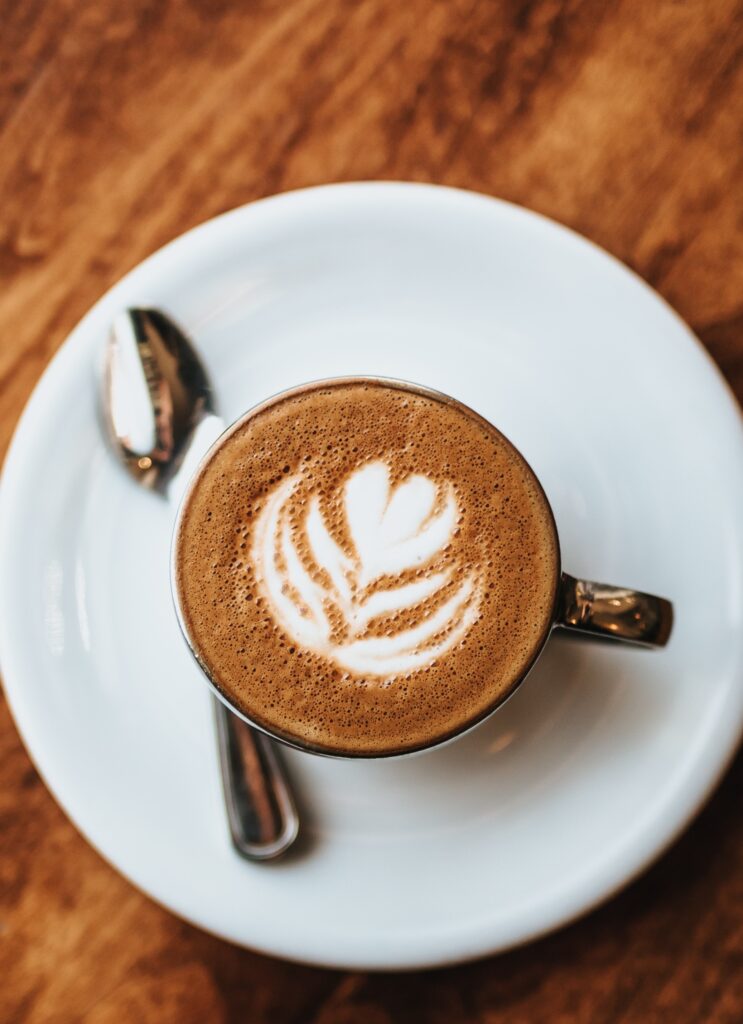
How to make a perfect coffee? Barista tips
Since it needs one ristretto shot, it should be between 20 and 30 ml. However, you can make 30 ml of ristretto for a more intense flavor.
Another important aspect of this coffee is to make a proper milk froth. So Steam milk at 140 F and allow some air to create microfoam.
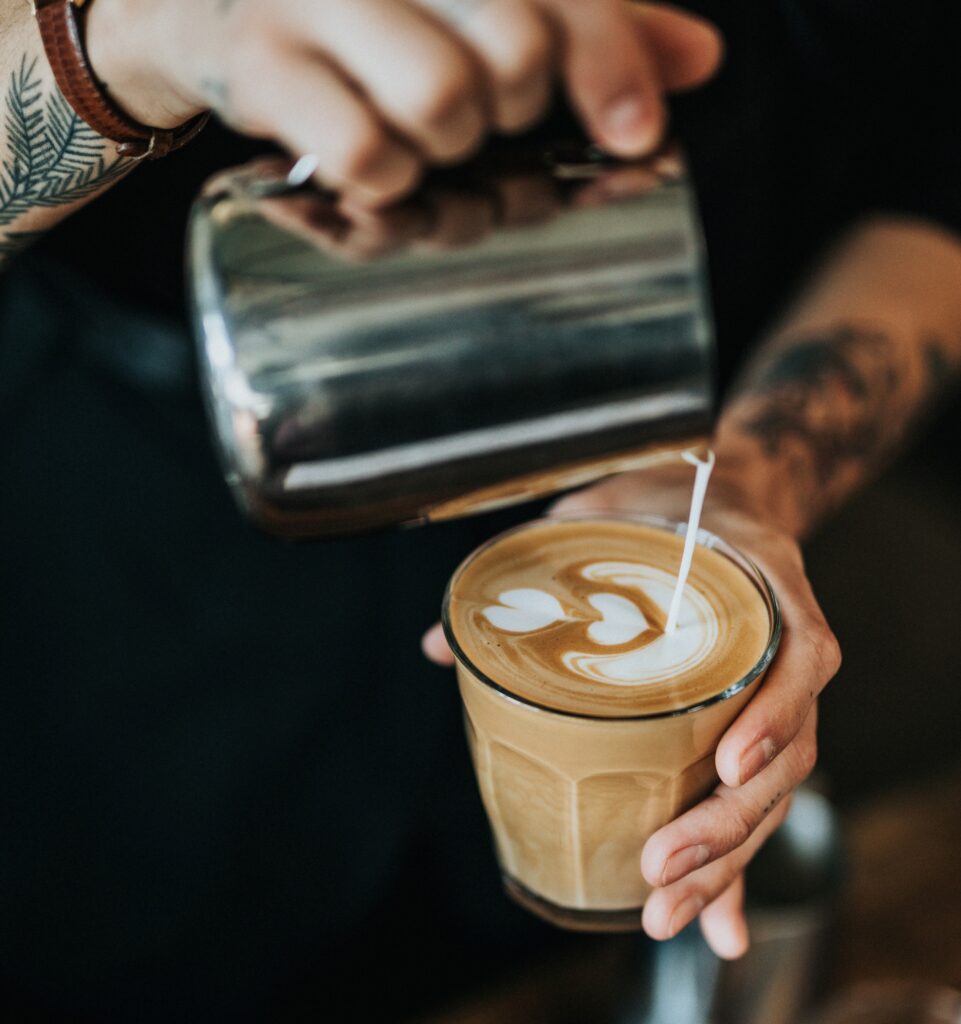
If you want a better texture like latte art, pour milk into the espresso at an angle and a little height, and try to leave a small layer of foam on the top.
Like a regular latte, you can Add some sprinkles of chocolate or hazelnut to reduce the bitterness.
What I like about latte is that I use whole milk to get thick steamed milk that you may not in skimmed milk.
Add flavors at the top, like cappuccino and cortado, to get a flavorful taste.
What Does a Piccolo Latte Taste Like?
A well-made piccolo latte is:
- Rich and creamy
- Slightly sweet
- Smooth and balanced
- Less milky than a latte
- Less intense than straight espresso
- More flavorful than many larger milk-based drinks
The ristretto shot contributes concentrated sweetness while the steamed milk softens the coffee’s intensity.
If you enjoy flat whites and cortados, you’ll probably love a piccolo latte.
Best Coffee Beans for Piccolo Latte
Medium Roast
Best for:
- Chocolate flavors
- Nutty notes
- Caramel sweetness
Espresso Blends
Best for:
- Balanced flavor
- Consistent results
- Milk-based drinks
Light Roast
Best for:
Specialty coffee enthusiasts
Fruity flavors
Floral aromas
What Is a Ristretto Shot?
Before making a piccolo latte, it’s important to understand ristretto.
A ristretto is a shorter and more concentrated version of espresso.
Instead of extracting a full espresso shot, baristas use less water and stop the extraction earlier.
Ristretto Characteristics
| Feature | Ristretto |
|---|---|
| Extraction Time | Shorter |
| Water Used | Less |
| Flavor | Sweeter |
| Body | More concentrated |
| Bitterness | Lower |
Because of its concentrated sweetness, ristretto creates the perfect base for a piccolo latte.
Check the difference between long shot and ristretto.
What Is The Caffeine Content?
A Piccolo typically contains:
50–80mg of caffeine
The exact amount depends on:
- Bean variety
- Roast level
- Dose size
- Extraction method
Since it usually contains a single ristretto shot, caffeine content remains moderate.
Also, slightly less roasted beans have less caffeine. You can determine your caffeine content by roasting more; the caffeine will reduce.
How many calories?
The average piccolo latte contains:
| Milk Type | Calories |
| Skim Milk | 35–45 |
| Low-Fat Milk | 40–50 |
| Whole Milk | 50–70 |
| Oat Milk | 55–75 |
Because the serving size is small, a piccolo latte contains fewer calories than a regular latte.
Where Did Piccolo Latte Originate?
Despite its Italian name, the piccolo latte originated in Sydney, Australia.
Australian coffee culture has produced several famous drinks, including:
- Flat White
- Magic Coffee
- Piccolo Latte
The drink was created to showcase espresso flavor while still offering the comfort of milk.
Today, it is widely available throughout Australia and increasingly popular worldwide.
Why Do Baristas Love Piccolo Lattes?
Many specialty coffee baristas consider the piccolo latte one of the best drinks for evaluating coffee quality.
Why?
Because the smaller milk volume allows the espresso’s flavor profile to remain visible.
A good piccolo reveals:
- Bean quality
- Extraction accuracy
- Milk steaming skills
- Overall coffee balance
That’s why you’ll often find piccolo lattes on specialty café menus.
Comparison Chart between Piccolo latte vs other coffee drinks
| Ingredients | Piccolo Latte | Latte | Flat white | Cortado | Macchiato |
|---|---|---|---|---|---|
| Espresso/ristretto | 1 ristretto shot | 1/3 espresso | One espresso shot | 2 ristretto shots | 1 or 2 espresso shots |
| milk | steamed milk | 2/3 steamed milk | 100 to 120 ml of milk | 60 ml | Steamed milk |
| Cup size | 85 to 114 ml cup | 230 ml | 200 to 220 ml cup | 150 ml cup | 90 ml cup |
| Remarks | Strong coffee | Less strong coffee | Mildly strong | Very strong | strong |
Piccolo coffee vs Cortado
The difference between these two drinks is the beverage size and the ratio of milk and espresso. Both drinks use ristretto, but Cortado has two shots which make it much stronger than Piccolo.
Cortado serves in a large glass, adding two espresso shots and more steamed milk than the Picolo latte. You know that more espresso shots make a stronger drink than milk drinks.
Piccolo coffee vs Regular Latte
Again the real difference is the size of the drink; a regular is almost double in size of a Piccolo latte.
As we know, Latte prepares with more milk and less espresso, and the taste becomes less bold.
So when you decide between a piccolo latte and a regular latte, consider the amount of milk and espresso you prefer in your drinks.
If you like a strong and small drink, go for a Piccolo latte. In contrast, if you love more milk and less espresso, your choice should be a regular latte.
Piccolo latte vs cappuccino
What is the difference between a Piccolo latte and a cappuccino? Both look quite similar until you analyze them closely.
A cappuccino is a large drink served in a large glass. Furthermore, a Cappuccino is prepared with Steamed and foamed milk to make a creamier and more foamy texture.
In a piccolo latte, regular milk is added compared to a cappuccino, where more steamed milk is added.
Hence, both Cappuccino and piccolo latte have a strong espresso taste. Then, the added flavors enhance the taste.
Piccolo latte vs Macchiato
Like a piccolo latte, the Macchiato serves with a single shot of espresso. However, Macchiato comes with steamed and foamed milk. It is slightly bolder coffee than Piccolo.
In contrast, piccolo coffee is made with a lot of milk and one shot of espresso. The difference between Macchiato and Piccolo is the amount of milk used in the Piccolo.

Piccolo coffee vs Flat white
Compared to the piccolo latte, the flat white uses more milk and is served in a larger glass. Flat white has increased its popularity as a strong coffee in recent times.
If you want Piccolo like a drink with a more bitter taste, you can go for a flat white.
Can You Order a Piccolo Latte at Starbucks?
In most countries, Starbucks doesn’t officially list piccolo latte on its menu.
However, you can request a customized version by asking for:
- One ristretto shot
- Small amount of steamed milk
- Served in the smallest available cup
Australian Starbucks locations are more likely to recognize the drink.
Other interesting topic.
Breve Coffee: What Is It And How To Make It? A Detailed Guide
Frequently Asked Questions
Absolutely. It offers a smooth introduction to stronger coffee flavors without the intensity of straight espresso.
Yes. Oat milk is one of the best dairy-free alternatives for piccolo latte.
Typically between 90ml and 120ml.
Yes. Although traditional recipes use ristretto, espresso works well too.
Final thoughts
An Aussie coffee that has a massive impact with its taste and aroma. You can enjoy this drink at home by brewing it in a few steps since it has similarities to other milky drinks.
Piccolo latte could be the perfect replacement for many other coffee flavors. Also, it is one of the few flavors that brew with ristretto.
So, for anyone who wants an alternative to espresso, this latte should be the choice.

Majid Khan is a former barista with 5+ years of hands-on experience in specialty coffee preparation and espresso bar service. He now focuses on helping home coffee lovers brew café-quality drinks using simple methods, practical techniques, and reliable coffee gear recommendations.